

Key Takeaways
- Kindness rooted in boundaries and reflection lasts longer than constant giving.
- Small, repeatable practices—mindfulness, gentle conflict resolution, and shared rituals—prevent fatigue.
- Use low-cost tools and community rituals to scale compassion without sacrificing energy.
- Join local initiatives like walk for peace to blend action with renewal.
Introduction
Learning to practice kindness without burnout peace guide is about making compassion sustainable, not about doing more until you break. This short guide centers simple, evidence-informed habits so your care supports others and fuels your own wellbeing. Whether you volunteer, teach, or lead community repair, these approaches help keep action gentle and durable.
Here you’ll find quick actions, inexpensive tools, and community-friendly ideas that blend mindfulness, conflict resolution, and elements of **nonviolence**-rooted practice into everyday life. The goal: keep showing up—calm, connected, and effective.
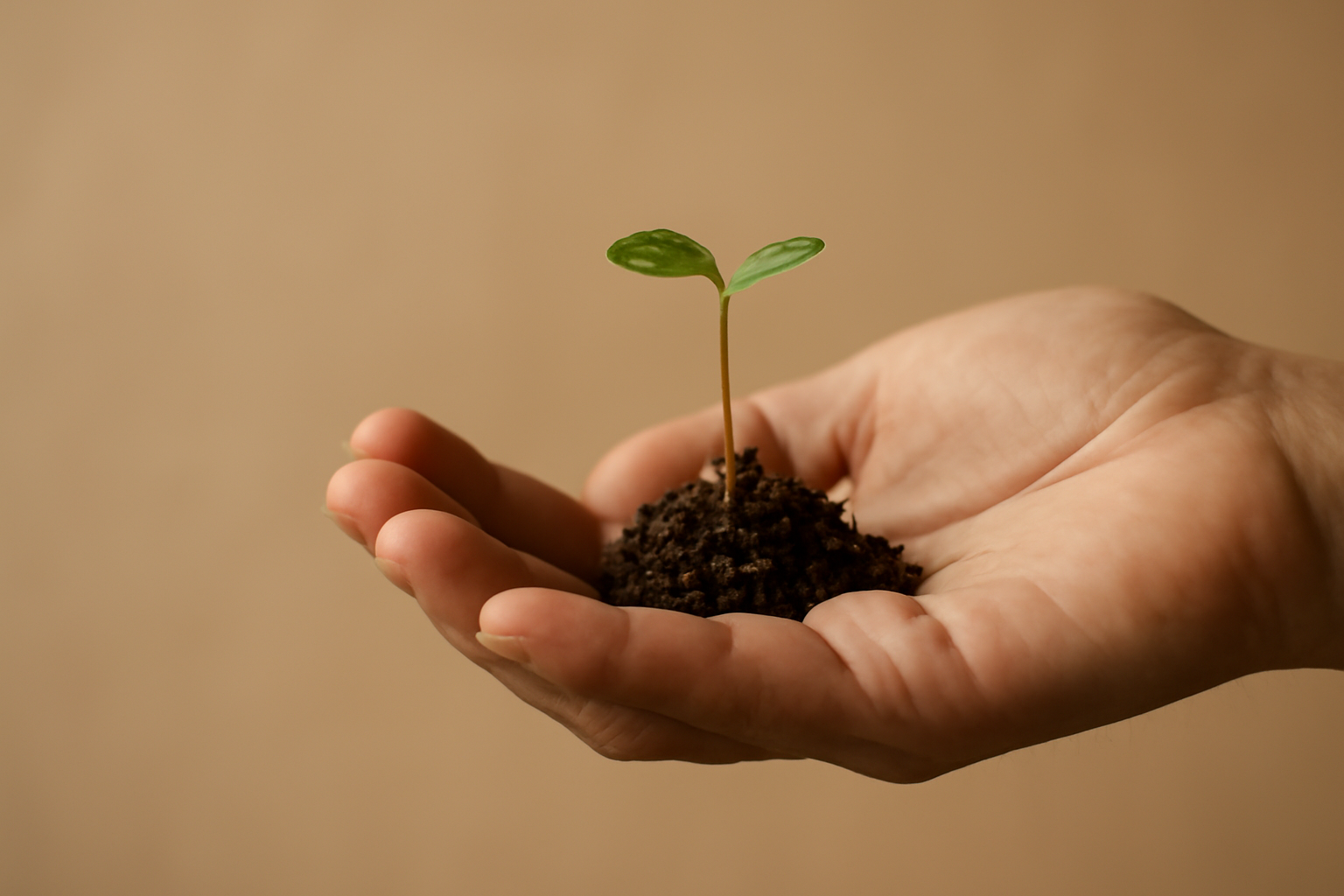
Why this matters: lasting peace starts with steady care
Kindness that burns out can leave communities worse off—resentment, unmet needs, and volunteer churn follow well-intentioned but unsustainable efforts. A gentle, repeatable approach reduces harm and models the very stability communities need.
- Impact example: A neighborhood mediation program that scheduled short, weekly check-ins kept volunteers engaged longer than an all-day monthly marathon.
Quick actions today to avoid kindness fatigue
Start with micro-practices that reset energy and build skill. These are easy to adopt and scale with little cost.
- Set two-hour windows for helping tasks—then restore with a 15-minute mindfulness break.
- Ask one question before helping: “Will this empower or enable?”—choose empowerment.
- Use a simple breathing pause (4-4-8) before difficult conversations to center calm conflict resolution.
- Rotate responsibilities with peers so no single person carries the load.
- Celebrate small wins publicly (a thank-you note or short walk together) to refresh morale.
Tools & materials that actually help sustain care
Low-cost tools make compassionate practice accessible. The point is consistency, not complexity.
- Shared calendar or sign-up sheet to distribute tasks and prevent overload.
- Simple mindfulness scripts printed and posted in meeting spaces for quick resets.
- Conflict-resolution cue cards that list steps: listen, reflect, propose one small option.
- Journal prompts for volunteers to track feelings, boundaries, and lessons learned.
Community ideas to grow collective resilience
Group rituals and educational moments spread care without consuming individuals. Design activities that teach and replenish at once.
- Host short “rest circles” after service events where people name one thing they gave and one thing they received.
- Offer mini-training sessions on **peace education** and nonviolent communication during regular community meetings.
- Organize a monthly walk for peace that mixes light physical activity with reflection—walking keeps energy flowing and spreads healing.
- Create buddy systems so new volunteers have support and veterans aren’t left solo.
Conclusion
Kindness that endures is strategic, shared, and simple. Practice these tools, invite others, and notice what keeps you coming back—calmer, clearer, and more connected. Join, share, and explore walkforpeace.us to find events, guides, and community ideas that help scale compassion without burnout.
