
The Peaceful Way to peace practice idea 213 peace guide 213
- Key takeaway: Simple tools — when chosen and practiced intentionally — create measurable shifts in how individuals and communities manage conflict.
- Key takeaway: This guide (Day 213) combines mindfulness, nonviolent communication, and community-focused practices that scale from one-on-one to group healing.
- Key takeaway: Practical, low-cost tools and clear timing make consistent practice realistic and sustainable.
Introduction
What if one small set of tools could reduce everyday conflict at home, work, and in neighborhoods — and what does the evidence say about how to pick them? In this peace practice idea 213 peace guide 213 post (Day 213), we challenge the assumption that peace requires grand gestures. Instead, we look at targeted, repeatable tools that research and practitioner experience show actually help people lower reactivity, resolve disputes, and repair harm. If you’re here as part of walk for peace, or exploring ways to bring nonviolence and peace education into your daily life, this guide is built to be practical, data-aware, and adaptable.
Core Elements / Ingredients — peace practice idea 213 peace guide 213

Photo by Leeloo The First on Pexels
Below is a clear, structured list of the core tools and ingredients that make up this practice. Each item includes alternatives or adaptable options so you can tailor the work to your context.
- Calm-breathing anchor — A 3–5 breath technique to interrupt reactivity (alternative: 60-second paced breathing with a timer or app).
- Nonviolent communication (NVC) phrases — Short, scriptable prompts to name observations, feelings, needs, and requests (alternative: restorative-circle sentence starters).
- Reflective listening pair exercise — 2–3 minute turn-taking practice to ensure each person feels heard (alternative: written mirroring for groups that prefer quieter methods).
- Micro-repair gestures — Small restorative actions (apology + corrective offer) that rebuild trust after harm (alternative: symbolic acts such as shared artifacts or public acknowledgment in community settings).
- Mindful pause signals — Agreed nonverbal cues (hand raise, white stone, bell chime) that request a break before escalation (alternative: a time-out slip or text cue in remote communication).
- Debrief template — A short set of questions to review what worked, what didn’t, and next steps (alternative: anonymous feedback box for larger groups).
Why these elements? They are low-friction, evidence-aligned, and can be used individually or layered. They combine techniques from mindfulness, conflict resolution, and community healing to create practical pathways out of reactivity and into repair.
Timing / Effort Breakdown — peace practice idea 213 peace guide 213
Timing and realistic effort estimates are essential to making practice stick. Below is a practical breakdown to help you plan and compare commitment levels.
- Preparation / planning time
- Individual: 5–15 minutes to learn breathing anchors and key phrases.
- Pair/household: 20–40 minutes to agree on signals and run a single reflective listening exercise.
- Community group: 1–2 hours for initial orientation and role-setting (plus materials for circles or restorative practices).
- Execution / participation time
- Micro-practice: 1–5 minutes (breathing anchor or micro-repair) — usable during real-time conflict.
- Structured practice: 10–30 minutes (reflective listening session or check-in circle) — recommended weekly to monthly.
- Community healing event: 60–180 minutes — deeper restorative or educational sessions every few months.
- Contextual comparisons
- Compared to formal mediation (often multiple sessions of 60–90 minutes): these tools allow immediate, day-to-day response and prevent escalation.
- Compared to therapy or long-term counseling: the focus here is skill-building for direct interpersonal repair and community resilience — complementary, not a replacement.
Step-by-Step Guide — peace practice idea 213 peace guide 213
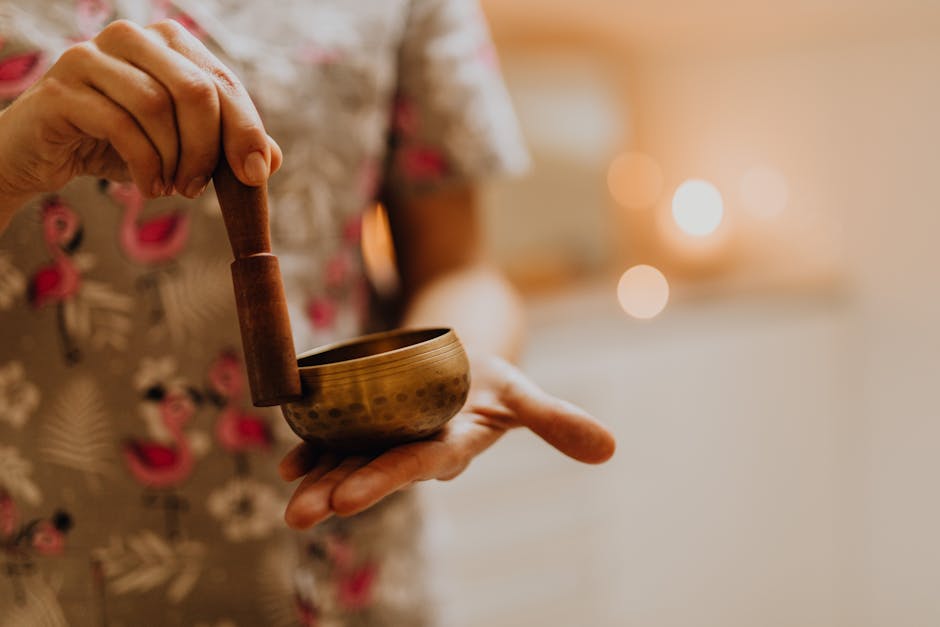
Photo by Karolina Grabowska www.kaboompics.com on Pexels
Follow these steps as a starter sequence. Each step is intentionally short and practical so you can use it in real situations.
### Step 1 — Anchor the Body (0:30–2 minutes)
What to do: Pause. Take 3 to 5 slow, deep breaths. Count silently: in for 4, hold 1, out for 6 (adjust counts to what feels natural). Focus on the sensation of breath entering and leaving the nostrils or belly.
Why it helps: Brief breathing resets physiology, reducing the fight-or-flight cascade so you can choose responses rather than react.
Tip: Agree on a simple nonverbal cue (a hand on chest or a white stone) to signal you’re using the anchor during a conversation.
### Step 2 — Notice and Name (1–3 minutes)
What to do: Use short, neutral language to state an observation and a feeling. Example: "When you raised your voice during the meeting (observation), I felt anxious (feeling) because I need respectful discussion (need)." Avoid blame.
Why it helps: Naming reduces projection and invites clarity. This form borrows from nonviolent communication and works across cultures when phrased simply.
### Step 3 — Reflective Listening (3–6 minutes)
What to do: After Step 2, the other person repeats back what they heard (paraphrase only), then the speaker confirms or clarifies. Keep turns brief: 2–3 minutes each.
Tip: Use a timer for the first few practices so turns stay equal. For groups, pair people or use talking pieces.
### Step 4 — Micro-Repair and Agreement (2–5 minutes)
What to do: If harm occurred, offer a concise apology (if appropriate) and a corrective action. Example: "I’m sorry I interrupted. I’ll let you finish next time and ask for a turn." Agree on immediate next steps.
Why it helps: Small, sincere repairs restore trust faster than delayed, grand declarations.
### Step 5 — Quick Debrief (2–5 minutes)
What to do: Ask these three questions: What changed? What’s still unresolved? What’s a small next step? Capture answers in a sentence or two.
Tip: Record brief notes if this is part of an ongoing group process so learning accumulates.
Impact or Informational Insights — peace practice idea 213 peace guide 213
How do we know these tools work? Here are evidence-aligned insights and real-world relevance to help you decide what to prioritize.
- Mindfulness and reactivity: Repeated brief mindfulness exercises (like breathing anchors) lower physiological arousal and improve executive control — enabling calmer responses during conflict.
- Communication scripts reduce escalation: Structured phrases reduce ambiguous language and blaming, which research links to reduced escalation in interpersonal disputes.
- Repair matters: Quick, sincere repair actions predict relationship recovery in both intimate and organizational contexts; delay undermines restoration.
- Community scaling: Small-group practices such as reflective listening and restorative circles increase social cohesion and help prevent cycles of retaliation.
Real-world example: community organizations that pair short weekly debriefs with agreed nonverbal pause signals report improved participation and a noticeable reduction in heated exchanges during meetings — a pattern echoed across restorative practice initiatives.
Healthier / More Sustainable Alternatives — peace practice idea 213 peace guide 213
Adaptations to honor ethics, accessibility, and inclusion:
- For neurodiverse participants: Offer written prompts and extended time for responses; allow nonverbal contributions such as drawings or typed reflections.
- For low-bandwidth or remote groups: Use text-based reflective rounds or shared documents rather than live audio when needed.
- For communities with language differences: Simplify core scripts and add visual icons or gestures to represent key concepts (pause, listen, repair).
- For high-trauma contexts: Pair practices with trained facilitators and provide exit options; do not force immediate sharing of traumatic content.
All alternatives keep the purpose clear: reduce harm, increase mutual understanding, and build durable practices that honor dignity and consent.
Participation or Engagement Ideas — peace practice idea 213 peace guide 213
Ways readers can get involved and bring these tools into their circles:
- Try a 7-day micro-challenge: Commit to using the breathing anchor once daily and practicing a 2-minute reflective listen with a partner twice during the week.
- Host a 30-minute neighborhood circle: Use the five-step sequence above as a model; invite 6–8 neighbors for a structured check-in and skill practice.
- Train facilitators: Offer a half-day workshop for local volunteers on nonviolent communication basics and micro-repair techniques.
- Integrate into schools: Teachers can use 2–3 minute breathing anchors at transitions and run brief restorative check-ins after conflicts.
- Share stories: Collect short anonymized case studies of repair and learning to inspire others and build a community knowledge base.
Common Mistakes to Avoid — peace practice idea 213 peace guide 213
Typical pitfalls and how to prevent them:
- Mistake: Treating tools as magic fixes. Prevention: Combine tools with consistent practice and supportive culture; measure small changes and iterate.
- Mistake: Using scripts to control or manipulate. Prevention: Use phrases to invite mutual understanding, not to score points; emphasize authenticity.
- Mistake: Skipping repair because it’s uncomfortable. Prevention: Normalize quick, sincere apologies and corrective offers; model micro-repairs publicly.
- Mistake: Ignoring accessibility. Prevention: Offer multiple modes (spoken, written, visual) and ask participants how they prefer to engage.
- Mistake: Overloading people with too many new practices at once. Prevention: Start with one or two anchors and build slowly, celebrating small wins.
Storage / Continuity Tips — peace practice idea 213 peace guide 213
Keeping momentum is as much about logistics as intention. Practical storage and continuity tips:
- Document short templates: Keep a shared folder or printed cards with the breathing anchor, NVC prompt, and debrief questions.
- Use tactile reminders: Small objects (stones, beads, or a bell) placed in meeting rooms act as physical cues for pause and repair.
- Schedule regular micro-practices: Weekly 10-minute check-ins create habit and allow refinement of what’s working locally.
- Rotate facilitators: Cross-train community members so practices don’t depend on a single person.
- Measure and celebrate: Keep brief logs of incidents and outcomes, then share positive progress reports to reinforce engagement.
Conclusion — peace practice idea 213 peace guide 213
This Day 213 guide demonstrates that accessible tools — breathing anchors, simple communication scripts, reflective listening, and swift repair — can create meaningful changes in how people handle conflict. The power lies in repetition, adaptability, and community support.
Take action:
- Participate: Try the 7-day micro-challenge and invite a friend to join.
- Share the message: Pass this guide to your community group or table at a local meeting to seed practice.
- Explore related posts: Visit other posts on walk for peace to continue building skills in nonviolence, peace education, and community healing.
If you try any of these tools, consider documenting a short story of what changed — even brief observations help the wider movement learn what actually helps people find calmer, more just paths forward.
